Golefond Community Hope Foundation Limited, officially registered under the Uganda Registration Services Bureau (URSB) with registration number 80034167910741, is a dedicated organization committed to fostering social welfare, Healthcare and economic development in vulnerable communities.
July 02, 2025
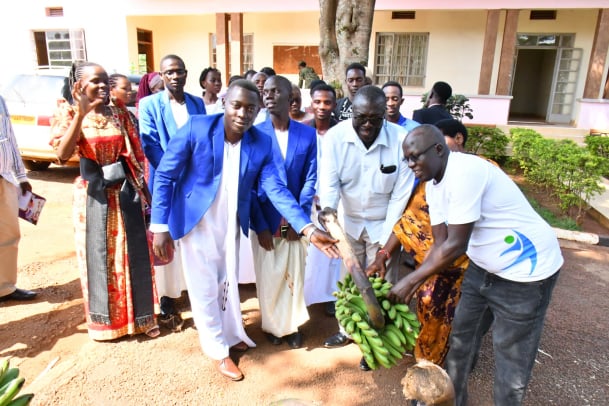
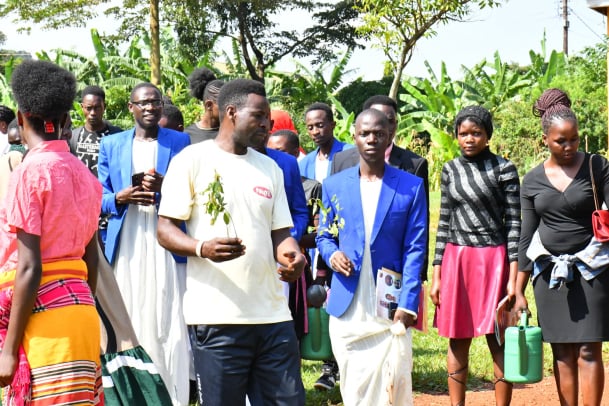
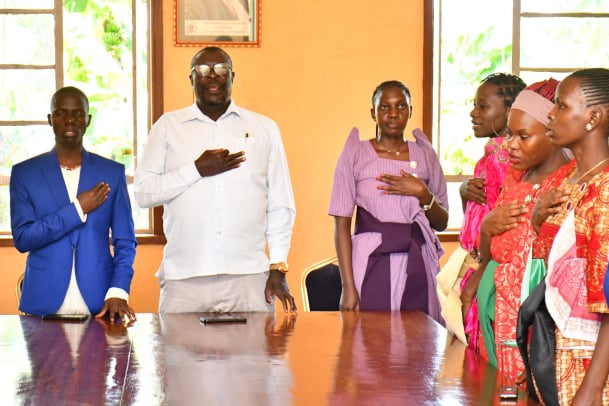
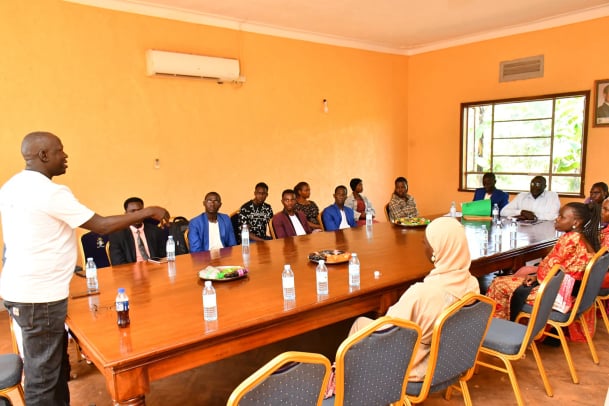
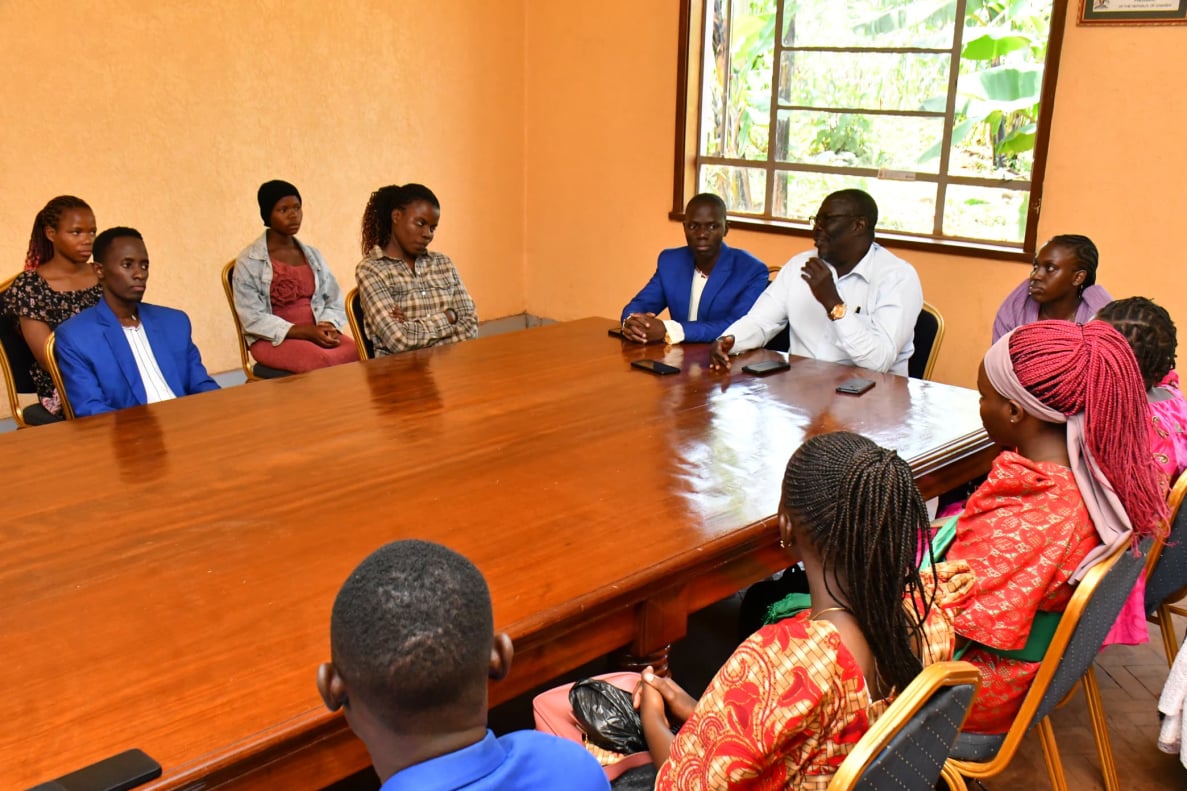
It was more than just a collaboration - it was a heartfelt partnership with the kingdom, united by a shared vision. Together, they focused on raising awareness about one of the sub-region's most pressing challenges: the growing number of early pregnancies among school - going students and the resulting surge in school dropouts. Recognizing the burden this places on families and communities.
The intervention begins with the mapping and identification of affected target populations, followed by collaboration with local or regional leaders to ensure alignment with community needs. A thorough community assessment is conducted to evaluate the impact of abnormalities on children, focusing on their specific needs. Key activities include pre-visit assessments to identify the needs of affected individuals and targeted campaigns to address stigma and social discrimination in schools, particularly for vulnerable pupils. Study aids, reading materials, and sanitary items are distributed to support children’s education and well-being. Medical and rehabilitation services, such as physical therapy, occupational therapy, speech therapy, and assistive technologies like prosthetics and orthotics, are provided to improve quality of life. Access to healthcare is enhanced, and inclusive education is promoted through training and resources for teachers, schools, and families. Genetic counseling services are developed to support families with hereditary conditions, and newborn screening programs are implemented to detect congenital and hereditary conditions early, ensuring timely intervention and care.
The initiative focuses on advocating for children’s rights, ensuring access to education, basic needs like food and healthcare, and providing legal support to girls at risk of or already in early marriages. Community education campaigns are conducted to raise awareness about the dangers, risks, and complications of early pregnancies and marriages. Efforts are made to promote and enforce local, regional, and national laws, as well as by-laws, that protect children’s rights. Wide-reaching media campaigns are launched to sensitize the public and combat the practice of early and forced child marriages. Basic needs such as sanitary items, health utilities, and scholastic materials are provided to underprivileged girls to reduce vulnerabilities that may expose them to such risks. Health education programs are supported, focusing on girls’ health, sexuality, and the importance of safe school and home environments free from the threats of early marriages and pregnancies. Comprehensive sex education is also provided, covering reproductive health, HIV/AIDS prevention, and contraception, to empower girls with knowledge and resources for a safer and healthier future.
The initiative aims to combat poverty and its associated factors by improving household income levels and fostering an economically liberated society. It also seeks to enhance the human resource base by creating a skilled and well-trained population capable of contributing to local and national industries, such as entrepreneurship, agriculture, and production. The process begins with mapping and identifying target populations, followed by engaging local or regional leaders to ensure alignment with community needs. A comprehensive community assessment is conducted to evaluate the population’s socioeconomic status and identify root-cause challenges. Key activities include livelihood skills training in areas like soap-making, book-making, crafts-making, and commercial agriculture, as well as skilling programs in brick-making, art and design, hairdressing, painting, electromechanics repair, and bricklaying. Financial literacy and entrepreneurship training are provided to equip individuals with the knowledge to start and manage small or large-scale businesses. Additionally, advocacy efforts focus on establishing vocational and training institutions to empower individuals with practical skills, enabling them to earn a living regardless of their education levels, thereby promoting sustainable economic growth and poverty reduction.
The initiative aims to eradicate and eliminate the rising cases of non-communicable conditions (NCDs) and chronic illnesses while improving the quality of life for those affected. It begins with mapping and identifying target populations, followed by engaging local or regional leaders to ensure alignment with community needs. A comprehensive community assessment is conducted to evaluate risk factors and monitor affected individuals, identifying prevailing health conditions and challenges. Key activities include health education focused on promoting healthy lifestyles, proper nutrition, physical activity, and reduced tobacco use, as well as awareness campaigns to inform the public about the risks and consequences of NCDs. Screening and early detection programs for conditions such as diabetes, hypertension, cancers, and HIV/AIDS are implemented to enable timely intervention. Nutrient-rich food distribution campaigns address dietary needs, while community-based care programs provide support to individuals with NCDs in their homes and communities. Palliative and rehabilitation programs are introduced to enhance quality of life, restore function, and improve mobility. Additionally, efforts are made to ensure access to healthcare services for diagnosis, treatment, and ongoing management of NCDs, creating a holistic approach to combating these conditions.
The initiative aims to combat hunger and malnutrition among students, pupils, and children in hunger-stricken areas, striving to create a hunger-free community with a well-nourished population. This is achieved by supporting breastfeeding practices, providing macronutrients and micronutrients, and conducting nutritional assessments to monitor and improve access to nutritious food. The process begins with community assessments and nutritional evaluations to identify challenges, followed by targeted activities to address these issues. Key interventions include supplementing diets with essential macronutrients and micronutrients, providing nutritional education to raise awareness, and offering breastfeeding education and support. Food distribution campaigns ensure access to well-balanced, nutrient-rich items, while efforts are made to address the root causes of malnutrition, including social, traditional, religious, or medical factors, ensuring a comprehensive approach to improving community health and well-being.
The intervention begins with the mapping and identification of affected target populations, followed by engaging local or regional leaders to ensure alignment with community needs. A comprehensive community assessment is conducted to evaluate risks, identify potential hazards, and understand associated challenges. Key activities include disaster risk reduction through early warning systems, emergency preparedness, and education on hazard mitigation to promote safe zones for settlement and agriculture. Psychological support is provided through counseling for affected individuals, while nutrition is addressed via well-balanced food distribution campaigns. Essential services such as healthcare, education, and sanitation are restored, and critical relief supplies like food, water, and blankets are distributed. Additionally, evacuation efforts are supported through transportation and shelter provision, ensuring the safety and well-being of the community.
Golefond Community Hope Foundation (GCHF) has been established to intervene, and support the community by contributing to the social welfare and economic development of the people in dare need within our community as well fostering growth in such aspect in and around our country with keen interest in uplifting many without any kind of discrimination. The foundation was initiated by Mr. Dhafa Rogers who observed a significant number of the needy struggling over period of time dating from 2022 when he joined the university, however in his attempt to humanitarianly intervene he met obstacles due to the overwhelming need amidst the few resources that he had. This challenging encounter implored and convicted him to invite the attention of other members to look into depth and the magnitude of those issues. These included basic house hold items/needs such as food, personal needs essential for daily healthy life of female students/ girl child, livelihood skills for self-reliance and little to non-engagement into economically developmental activities thus struggle to shrive in all aspects yet this is a big human resources base that can transform the country once efforts to give hope, direction, skilling and the facilitative support could mold and transform both them and the society around and the nation at large.
To enable struggling students /community members to have comfortable life, aiding to achieving their dreams and goals.
To promote society development in all aspects of growth.
To restore spirit of self be of self-belief, support for one another and togetherness in terms of development.
To increase number of responsible and beneficial graduates for society good.
To champion enlightenment and empowerment of people in fostering growth and development economically and socially.
Integrity
Human dignity
Obligation to the dare needy
Equity
Shared responsibility and service above self
Vision:
Creating a self-reliant society
Mission:
To empower society in fostering growth and development
To bridge any gaps ranging from; essential house hold needs, personal needs skilling, mentoring, grooming and facilitative support in all aspects.
Our Team
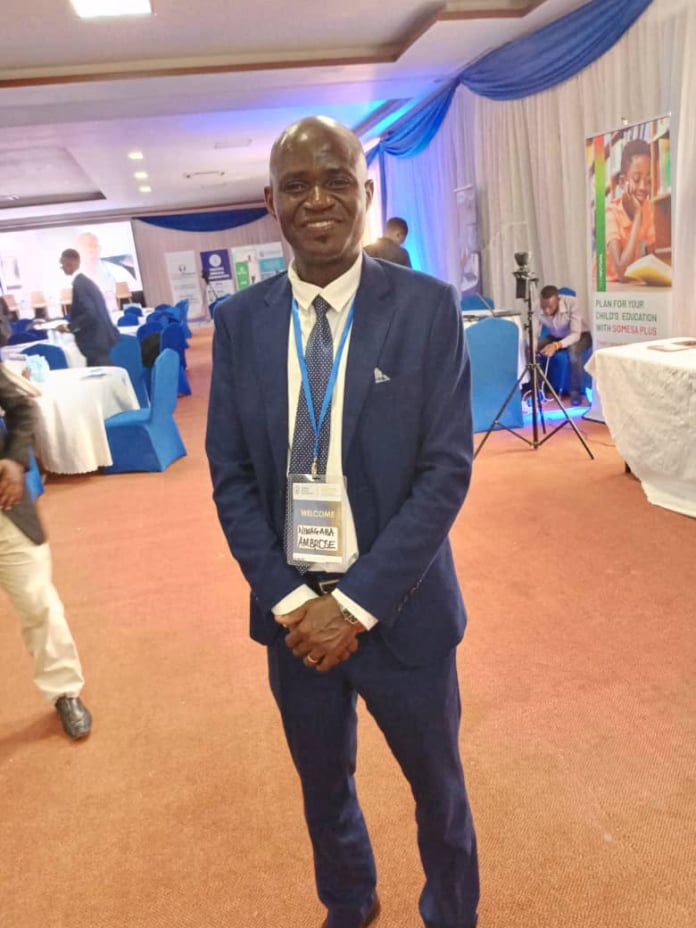
"Our team at Golefond Community Hope Foundation was established by Mr. Dhafa Rogers, who, after joining university in 2022, witnessed the ongoing hardships faced by vulnerable individuals in the community. Driven by a passion to make a difference, he encountered obstacles due to limited resources in the face of immense needs. This led him to collaborate with other like-minded individuals to tackle the scale and complexity of these challenges. Together, we identified the pressing need to unite for this noble mission, inspired by the visible struggles of students and community members lacking basic household essentials, personal items crucial for healthy living (especially for female students and the girl child), and skills for self-reliance. Many were also disconnected from economically empowering activities, hindering their ability to thrive. Our team is committed to offering hope, guidance, skills, and supportive resources to empower this significant human potential, transforming not only individual lives but also communities and the nation as a whole."


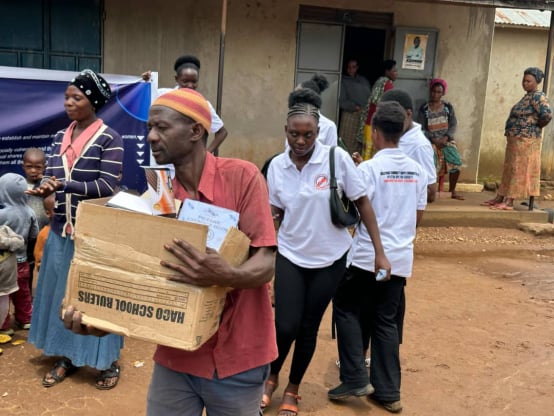
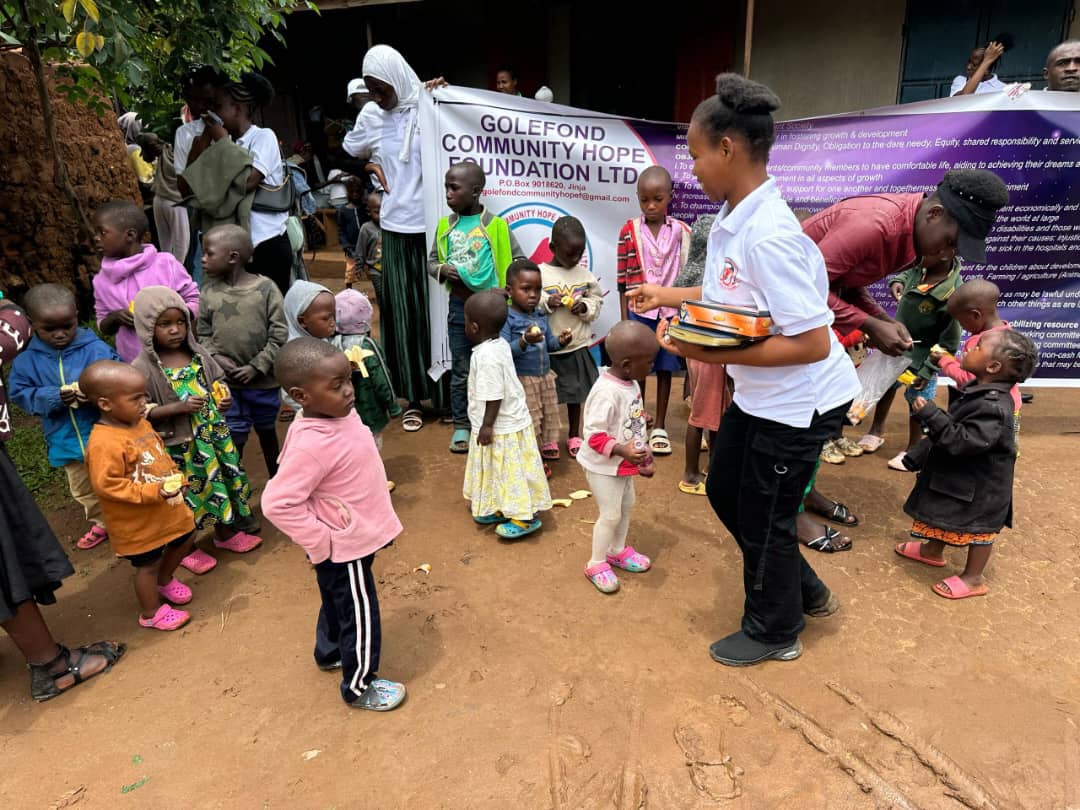
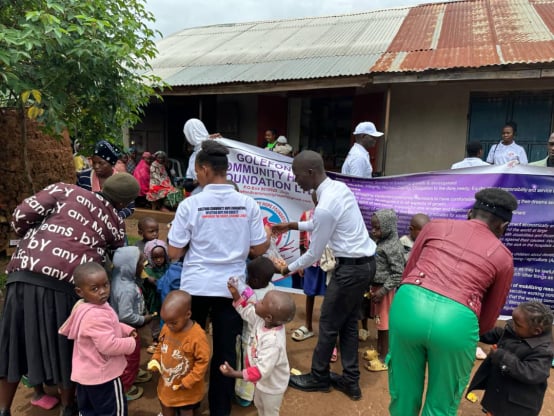
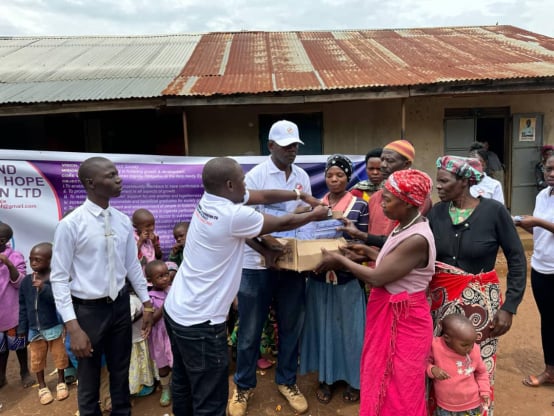
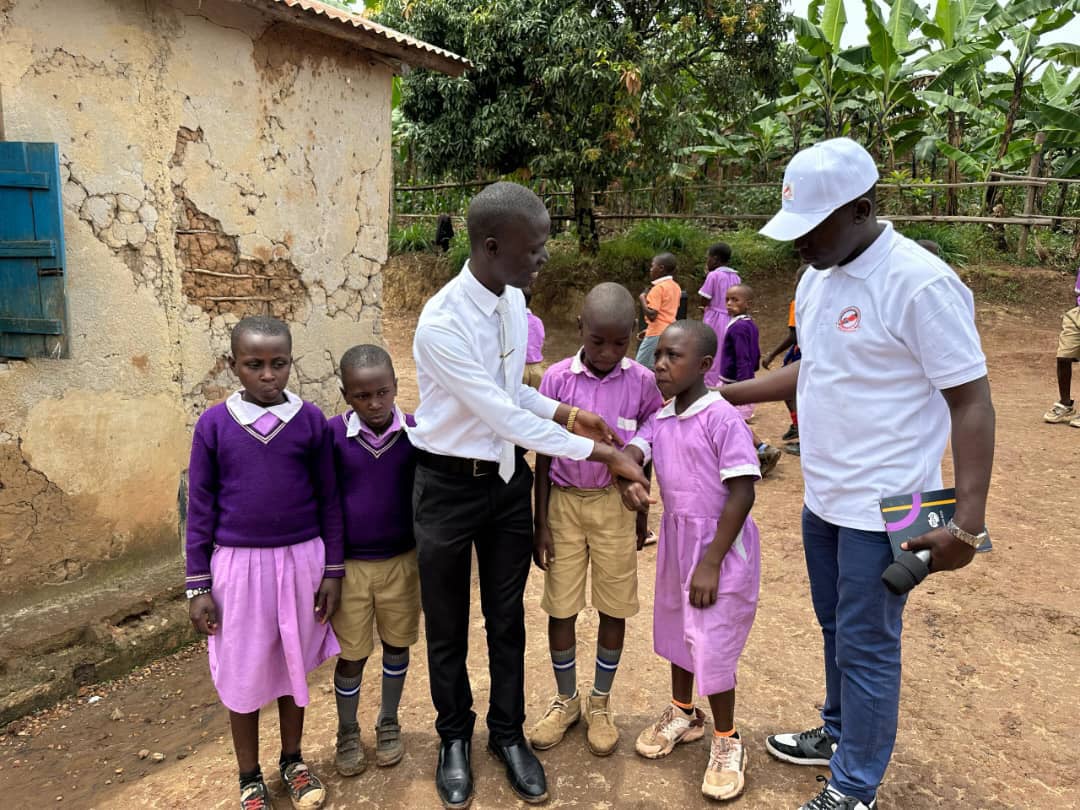
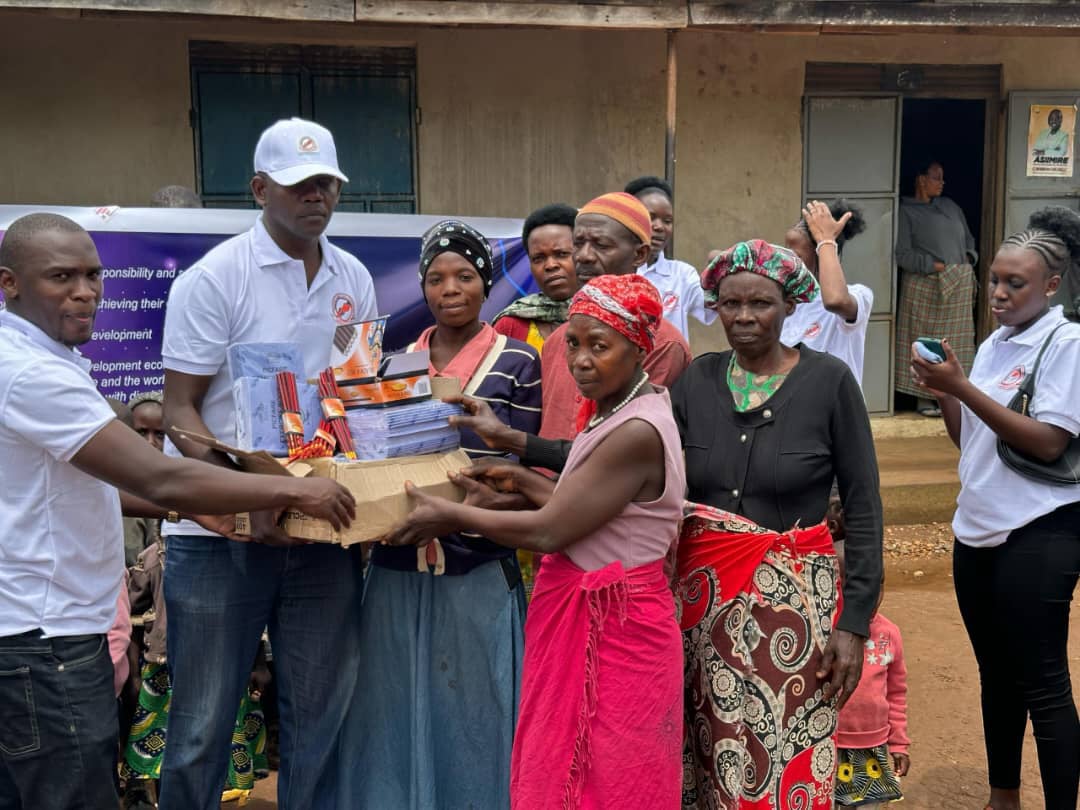
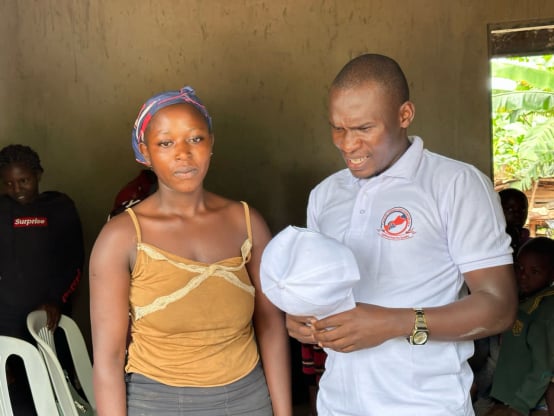
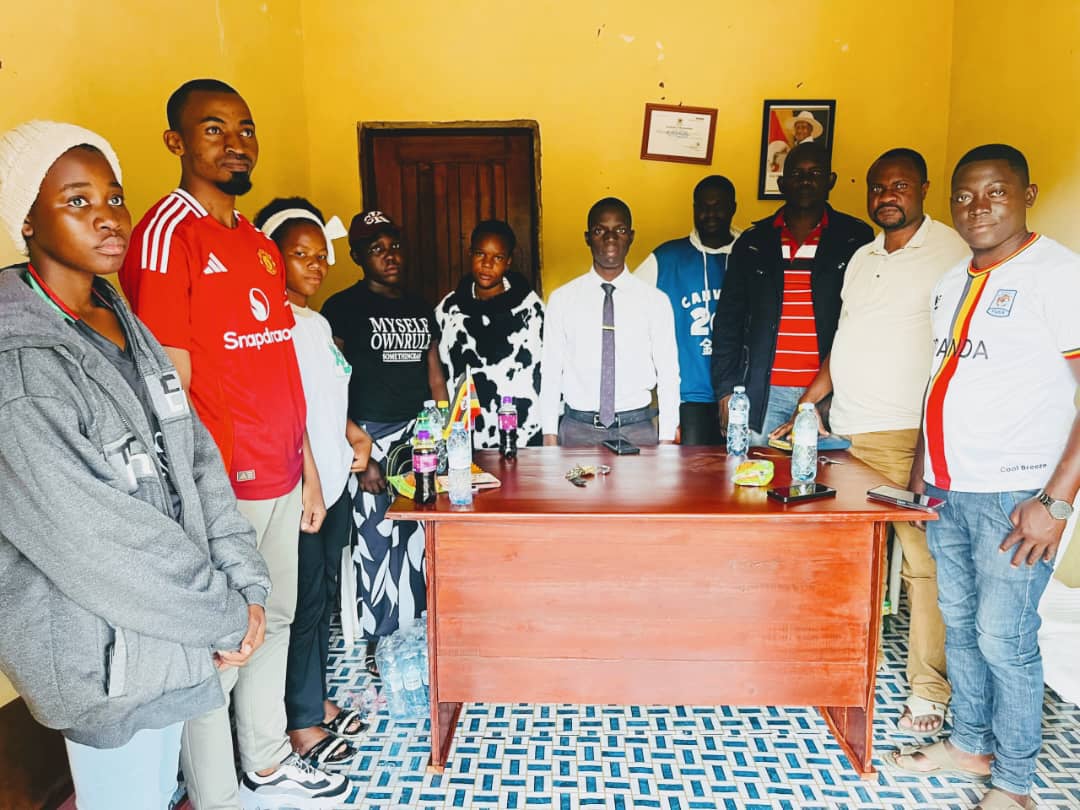
Golefond community hope foundation has been established to intervene, and support the community by contributing to the social welfare and economic development of the people.
© Copyright 2025 Golefond Community Hope foundation - All Rights Reserved